Preparing for Flu Season: A Smart Guide for Families and Individuals
Preparing for Flu Season: A Smart Guide for Families and Individuals
As the weather begins to cool and the days grow shorter, flu season quietly approaches - typically starting in the fall and peaking between December and February. While the flu might seem like a routine part of winter, it can lead to serious complications, especially for young children, the elderly, and those with weakened immune systems.
Fortunately, with a bit of planning and the right preventive measures, you can significantly reduce your risk of getting sick and keep your family, coworkers, and community healthy.
Here’s a practical guide to preparing for flu season.
🦠 What Is the Flu, and Why Is It Serious?
The flu (influenza) is a contagious respiratory illness caused by influenza viruses. Symptoms often come on suddenly and include:
- Fever or chills
- Cough and sore throat
- Body aches and fatigue
- Headaches
- Congestion or runny nose
- Sometimes vomiting or diarrhea (more common in children)
While most people recover in a few days to less than two weeks, the flu can cause serious complications like pneumonia, especially in high-risk groups.
✅ 1. Get Your Flu Shot Early
The #1 way to protect yourself and your family is the annual flu vaccine.
Benefits of the flu shot:
- Reduces your risk of getting the flu
- Lessens the severity of symptoms if you do get sick
💉 Many pharmacies, clinics, and workplaces offer walk-in flu shots. Don’t wait - early vaccination gives your body time to build immunity.
✅ 2. Boost Your Immune System
Help your body fight off viruses by focusing on these immune-boosting habits:
- Eat a balanced diet rich in fruits, vegetables, and lean proteins
- Stay hydrated with water and herbal teas
- Get enough sleep (7–9 hours for adults; 9–12 hours for school-age kids)
- Exercise regularly, even light activity like walking
- Manage stress, which can weaken immune response
💡 Pro Tip: Vitamin D, probiotics, and zinc may help support immunity, but talk to your doctor before adding supplements.
✅ 3. Practice Good Hygiene
Flu viruses spread through droplets when people cough, sneeze, or talk - and also by touching contaminated surfaces.
Teach and practice these everyday habits:
- Wash hands often with soap and water for 20 seconds
- Use hand sanitizer when soap isn’t available
- Avoid touching your face, especially eyes, nose, and mouth
- Cover coughs and sneezes with a tissue or elbow
- Disinfect high-touch surfaces regularly (doorknobs, phones, light switches)
✅ 4. Prepare Your Home and Workplace
Being prepared helps minimize disruption if someone gets sick:
🛒 Stock upon:
- Fever reducers (e.g., acetaminophen or ibuprofen)
- Cough medicine and throat lozenges
- Tissues, disinfectant wipes, hand sanitizer
- Thermometers
- Hydration solutions (like electrolyte drinks or broths)
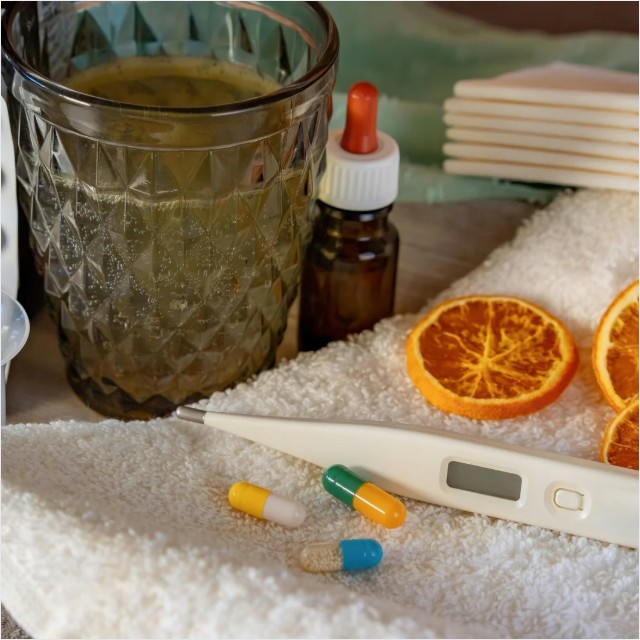
📦 Create a sick kit so you don’t have to run to the store if illness strikes.
🏠 Plan for time off in case you or your child need to stay home. Know your employer’s sick leave policy and your child’s school illness guidelines.
✅ 5. Know When to Seek Medical Help
While many flu cases can be managed at home, seek medical attention if:
- Symptoms are severe or last more than 7–10 days
- You have difficulty breathing, chest pain, or bluish lips
- A child has a high fever that won’t go down, is very sleepy or irritable
- You are in a high-risk group and show early flu symptoms
🩺 Antiviral medications may be prescribed within 48 hours of symptom onset, so early treatment is key.
✅ 6. Stay Home When Sick
If you or your child are sick, stay home until at least 24 hours after your fever is gone (without the use of fever-reducing medicine).
This helps stop the spread of the virus and allows your body time to heal.
🧠 Bonus Tips for Parents and Teachers
- Encourage kids to practice handwashing at school
- Send children to school with personal hand sanitizer and tissues
- Communicate with the school nurse about any chronic health conditions
- Remind children to avoid sharing food, drinks, or personal items
Final Thoughts
Flu season doesn’t have to catch you off guard. With proper preparation, proactive health habits, and early vaccination, you can dramatically reduce the impact of the flu on your household.
Staying healthy isn’t just about avoiding illness - it’s about maintaining your quality of life, keeping kids in school, staying productive at work, and protecting your loved ones.
📌 Quick Checklist: Flu Season Prep
- Get the flu shot (for everyone 6 months+)
- Stock your medicine cabinet and home sick kit
- Practice good hygiene (especially handwashing)
- Support your immune system with sleep, diet, and exercise
- Know when to seek care or stay home
